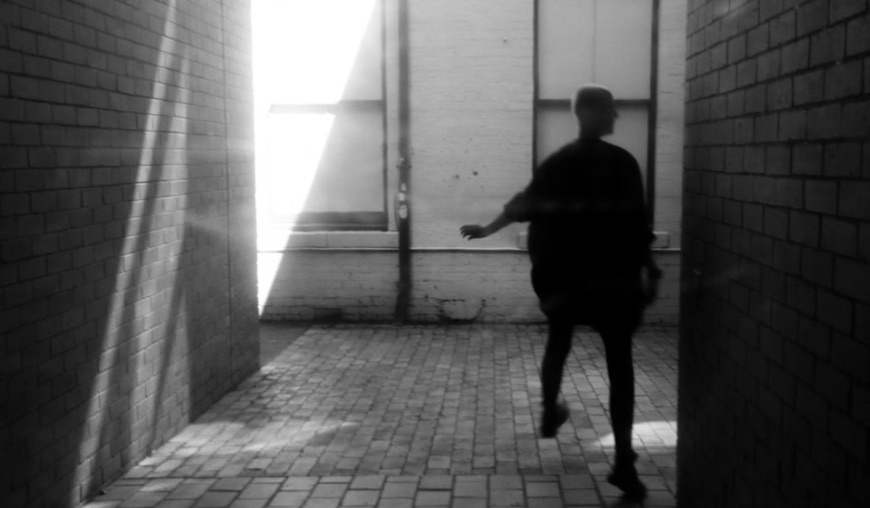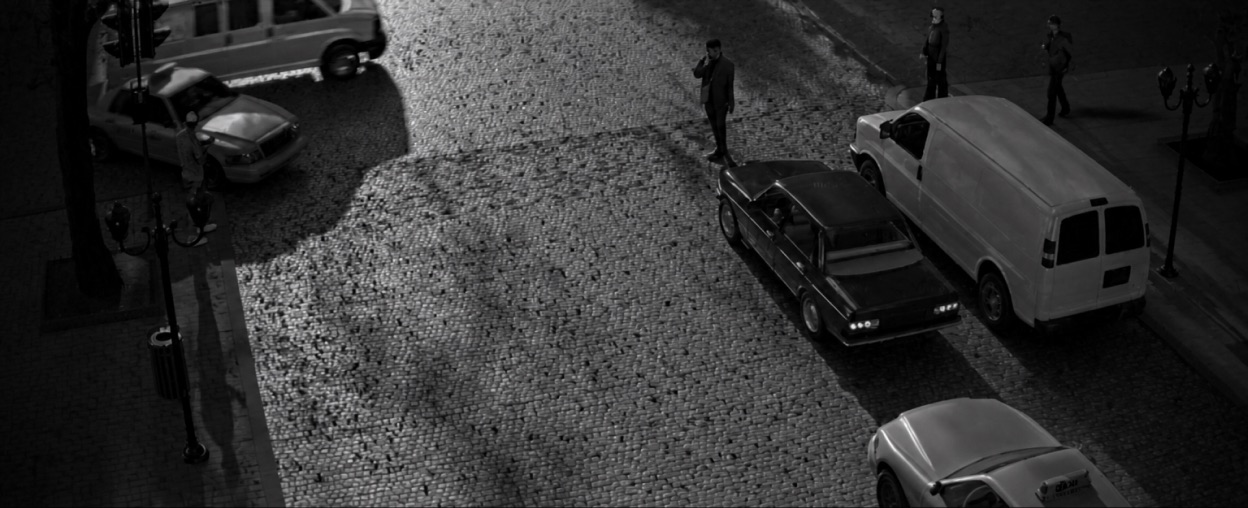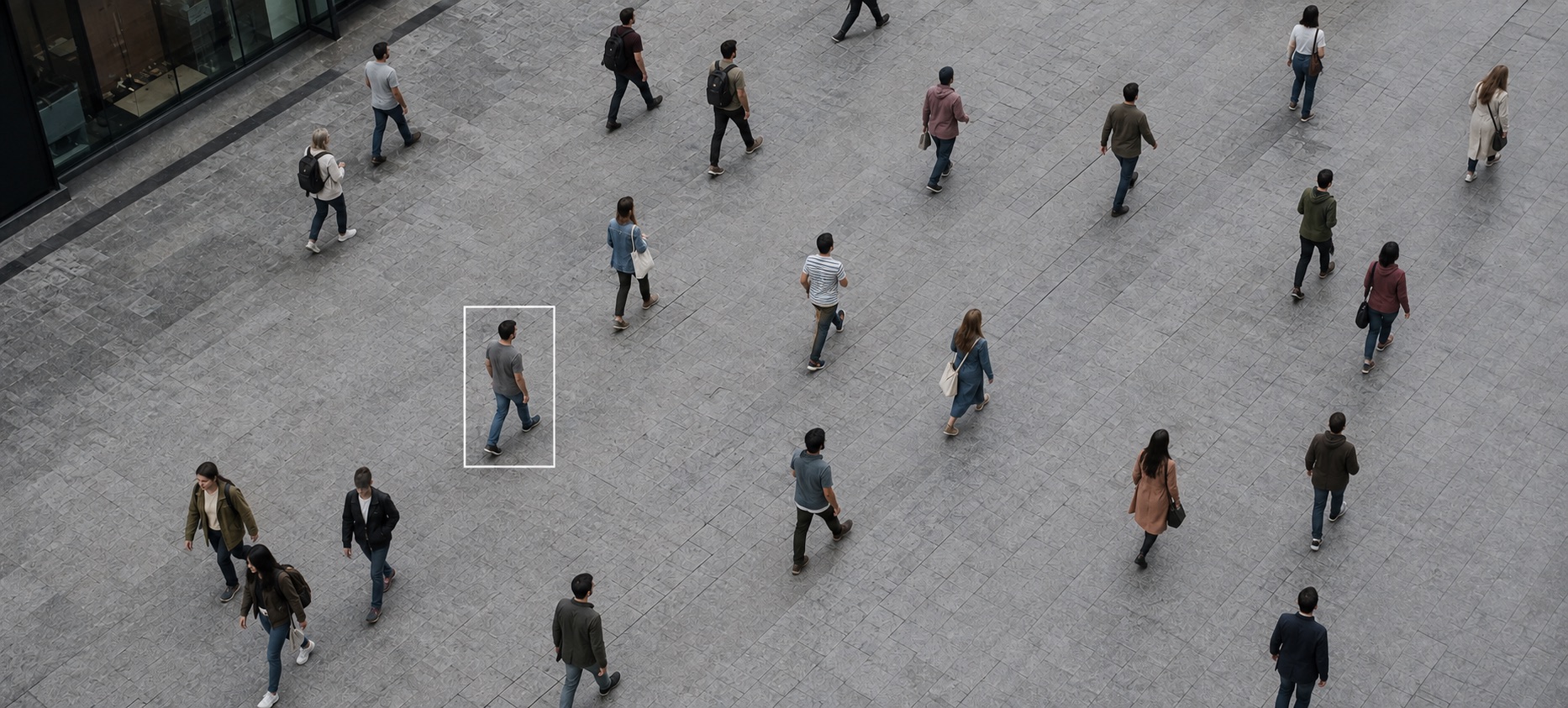
A commercial building has two completely different security problems in the same walls, and most systems are tuned for only one of them. By day it is open, busy, and full of people who belong. After hours it is a different building entirely.
Treating both with one set of rules guarantees that one of them is handled badly.
Two buildings, one address
The daytime building runs on access and flow: staff, visitors, deliveries, all legitimate, all constant. The night building should be empty, and anything in it is worth a second look.
These are opposite problems. What is normal in one is an alarm in the other.
Why one threshold fails both
Set the sensitivity for daytime and the night is under-watched. Set it for night and the day drowns in false alerts from ordinary activity. A single fixed threshold cannot serve two opposite definitions of normal.
This is why so many systems are either noisy or asleep; they were tuned for the wrong half of the day.
Learning both patterns
The fix is a system that knows the building’s schedule and applies the right expectation at the right time: permissive when it should be busy, alert when it should be empty.
Ocular learns each site’s hours and flags activity that does not belong in them, so the same cameras cover both buildings correctly.
Right expectation, right hour
After hours is a different building. The security that fits it is security that knows what time it is and changes its mind accordingly.
One property, two problems, handled as two problems, is the only way both get handled well.