
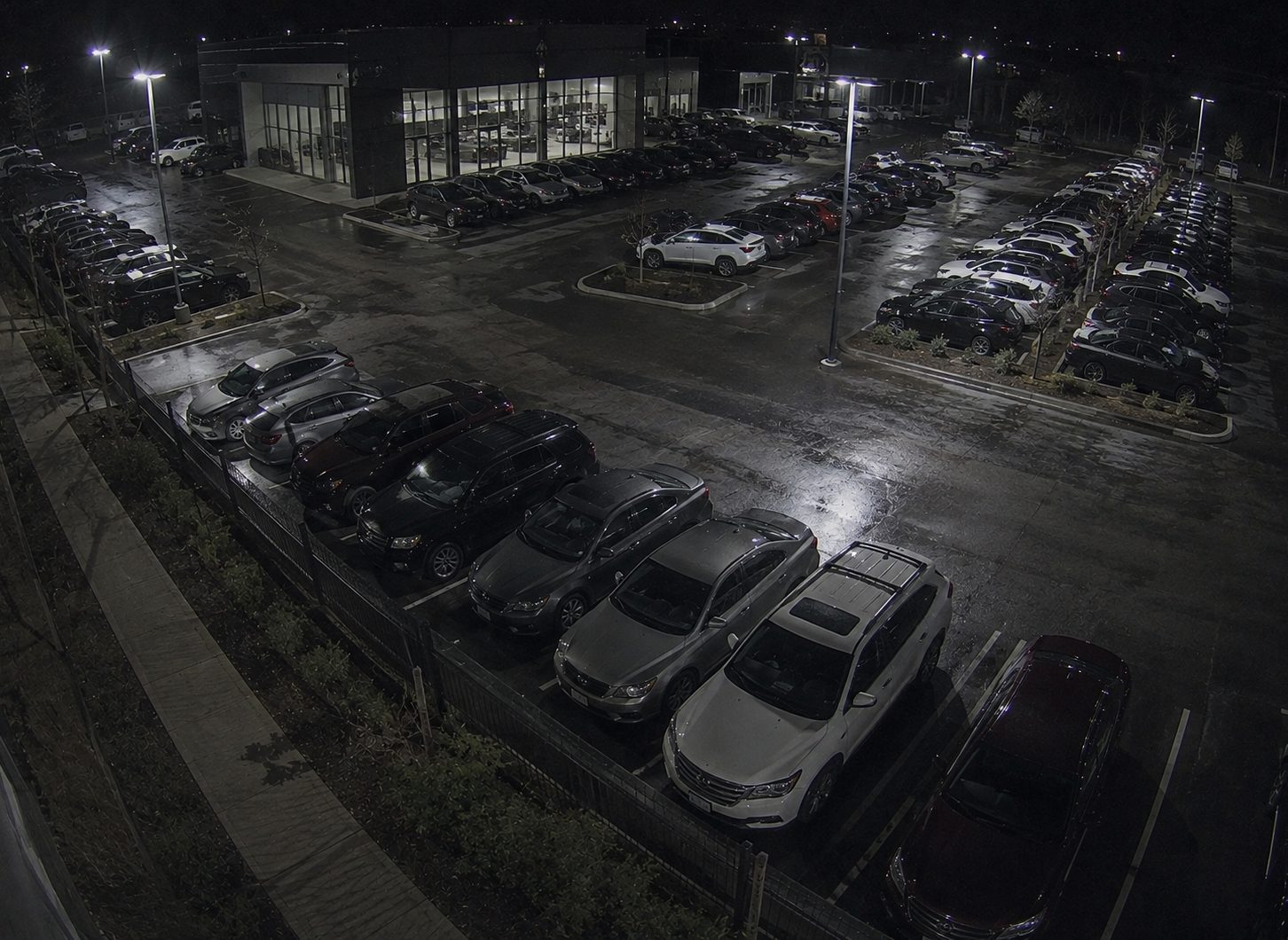
Retail loss is usually described as a quantity: how much walked out the door. Described that way, the answer is always a stock count weeks later, and by then nothing can be done about it.
Shrink is better understood as a timing problem. The question is not how much, but how long before anyone knew.
Found out weeks later
Most shrink surfaces in a count: the numbers do not match, and the gap is attributed to theft, error, or damage without ever knowing which. The event that caused it is long gone.
A loss you discover in arrears is a loss you can only write down, never prevent.
Cameras that only record the loss
Recorded footage of a theft is the same story as everywhere else in security: it documents what already happened. It supports a claim; it does not stop the next one.
A store can have complete camera coverage and still find out about every incident too late to matter.
Closing the time between event and knowing
Shrink becomes preventable when the gap between the event and someone knowing shrinks to nothing. That means watching the moments that matter as they happen, not reconstructing them from a count.
Ocular flags activity that does not fit the store’s trading pattern and puts it in front of an operator while it is still happening.
Acting in time
Once an incident is seen and verified in the moment, there is time to act: a call, an intervention, a documented response, rather than a line item in a quarterly count.
Shrink is a timing problem. Solve the timing and the quantity takes care of itself.