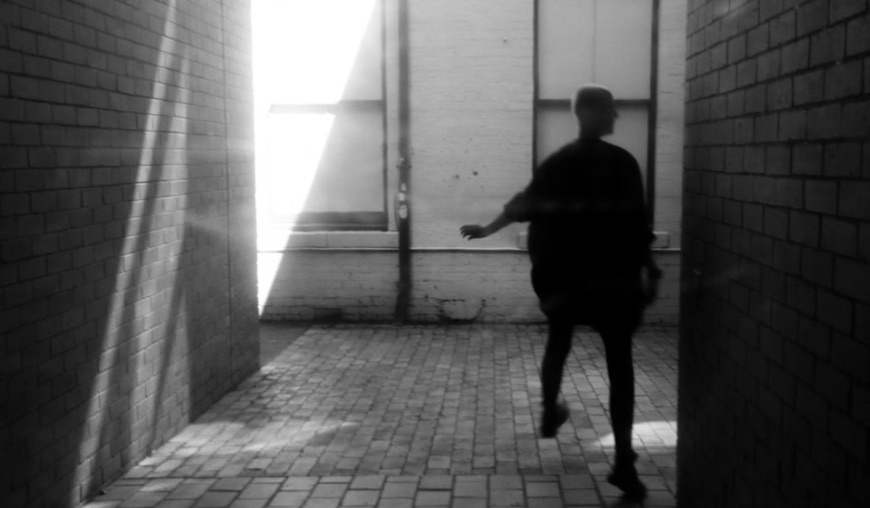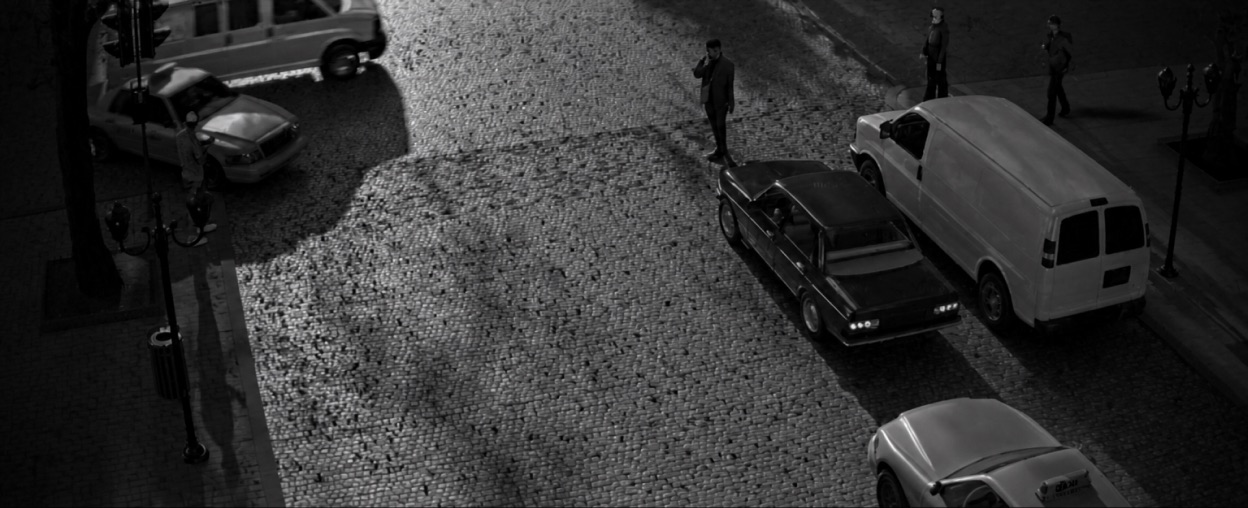
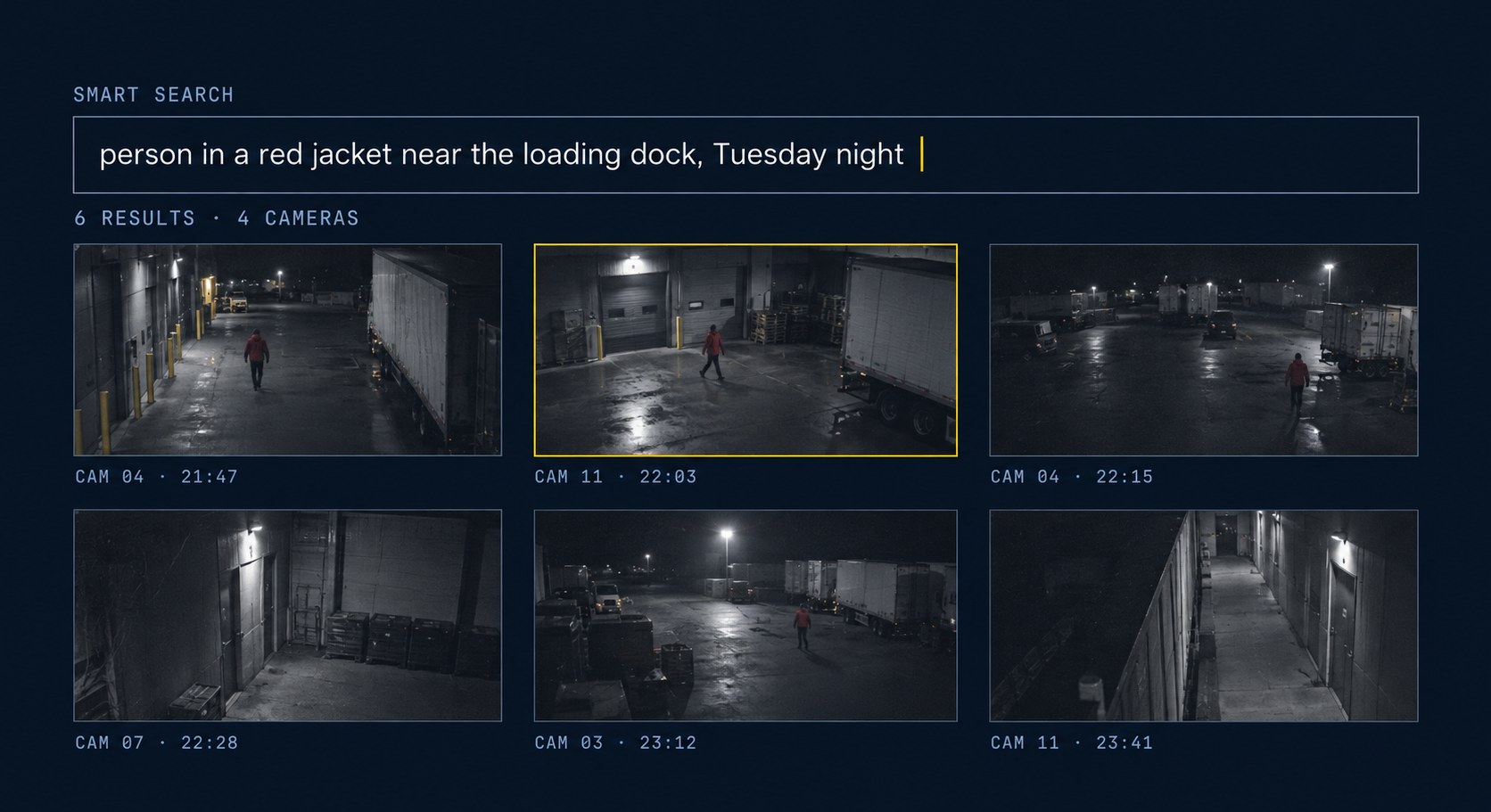
Motion alerts were supposed to be the answer: the camera tells you when something moves, so you only look when it matters. Then the alerts arrived by the hundred, for wind, rain, headlights and staff, and everyone turned them off.
The failure was not the cameras. It was treating motion as if it were meaning.
Motion is not an event
Every property is full of motion that means nothing: weather, animals, traffic, the people who are supposed to be there. A motion trigger fires on all of it equally, because movement is all it measures.
An alert that fires on everything is an alert that says nothing.
The cost of crying wolf
Once the alerts are mostly false, people stop reading them. The one that mattered arrives in a stream of ones that did not, and it is dismissed with the rest.
A system that is ignored is worse than no system, because it was paid for and it created false confidence.
Measuring against normal, not against zero
The alternative is to learn what a site’s ordinary activity looks like and flag what departs from it. A car in the lot at midday is normal; the same car at 3 a.m. is not. Motion cannot tell those apart. A baseline can.
Ocular builds that baseline per site, so routine activity stops generating alerts.
Alerts worth reading again
When only the departures are raised, and an operator verifies them before they reach you, an alert becomes something you act on rather than something you mute.
Motion alerts stopped meaning anything because they measured the wrong thing. Measuring against normal is what gives them meaning back.