A gate says a property is secure. It is the first thing a prospective resident sees and the first thing a board points to. It is also, on its own, one of the most overestimated pieces of security a community owns.
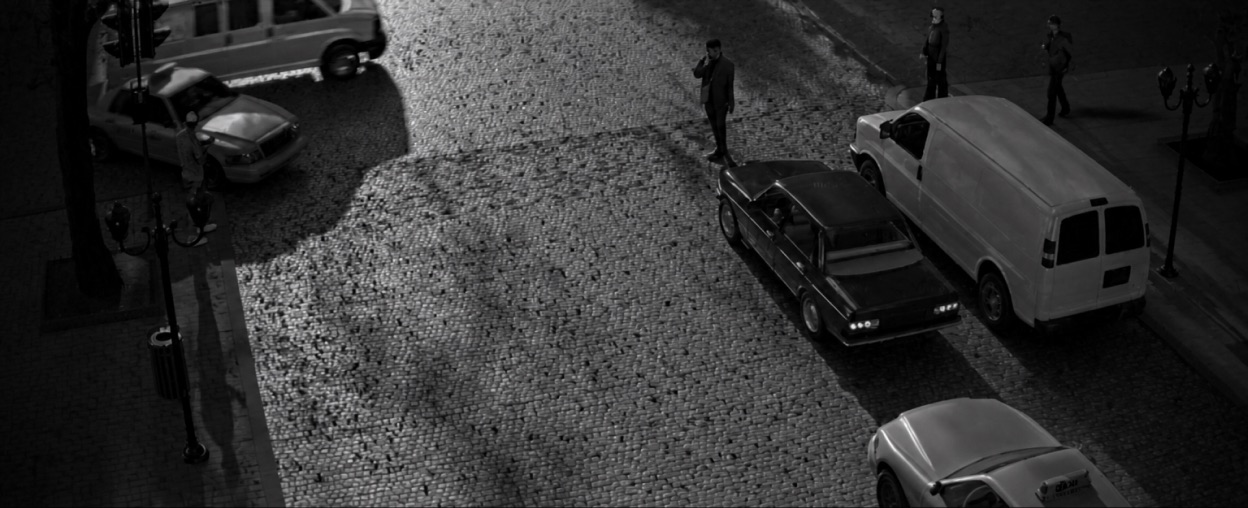
The gate controls one line. The perimeter is everything else, and most of what actually happens on a multifamily property happens well past the barrier.
The gate controls one line
A barrier at the entrance manages vehicles at a single point. It does nothing about the person on foot, the tailgating car, the delivery propped open, or the dozen other ways onto a property that has residents coming and going all day.
It is a real control. It is just a narrow one, and it is easy to mistake for the whole.
What moves through a community all day
Residents, guests, contractors, deliveries and staff move through a multifamily site constantly. That legitimate flow is exactly what makes conventional motion alerts useless: everything trips them, so nothing means anything.
The gate never sees most of this, and a motion sensor sees all of it without understanding any of it.
Watching the spaces that matter
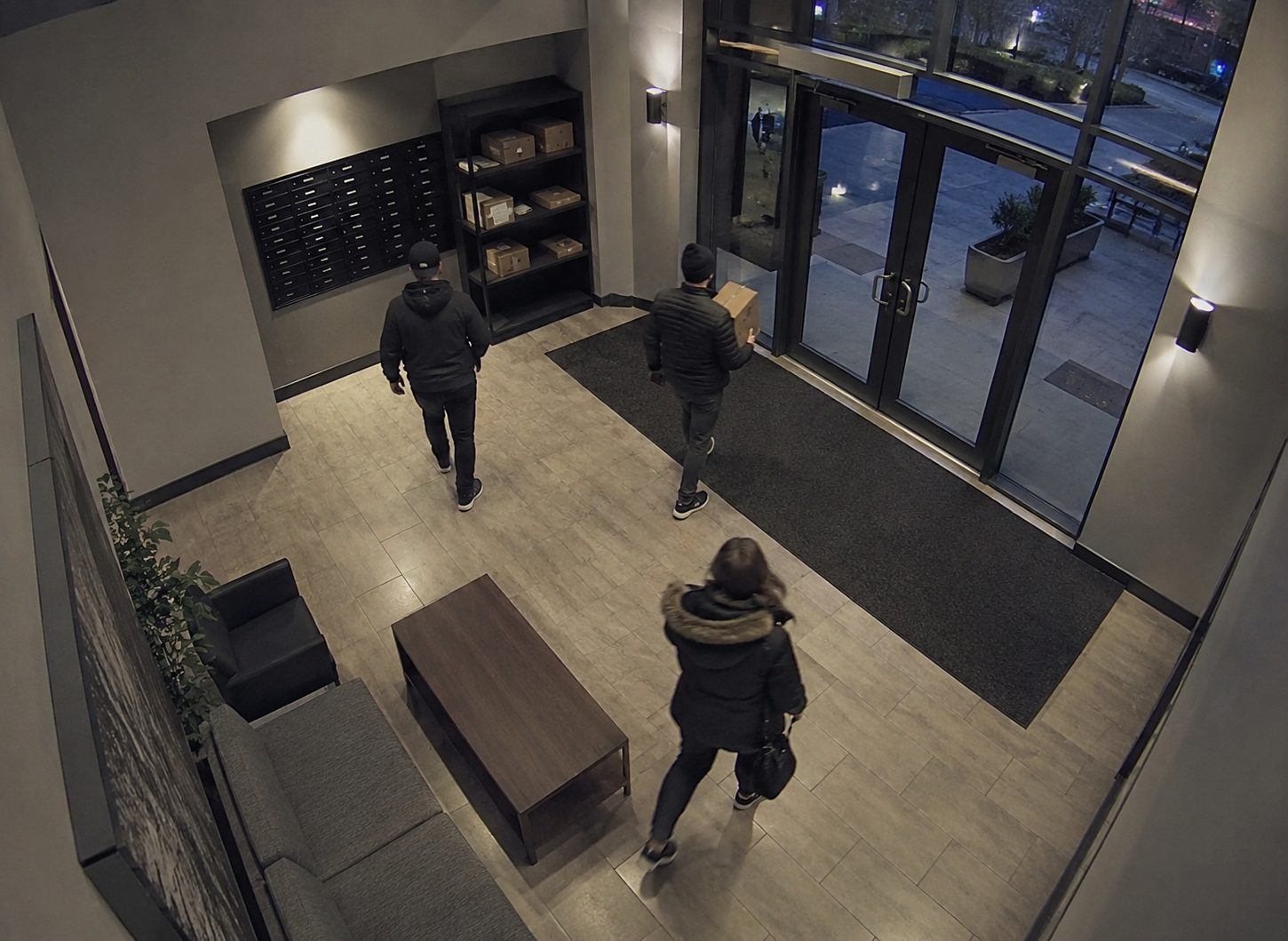
The places incidents actually happen are the shared ones: lobbies, mailrooms, parking, side entrances. Those need attention that understands the building’s normal rhythm and notices what breaks it.
Ocular learns that rhythm and flags the departure from it, verified by an operator before it reaches a manager.
Coverage past the barrier
Real coverage is not a stronger gate. It is knowing what is happening in the shared spaces beyond it, and having someone confirm the things worth acting on.
The gate is not the perimeter. The perimeter is the whole property, and that is what has to be watched.