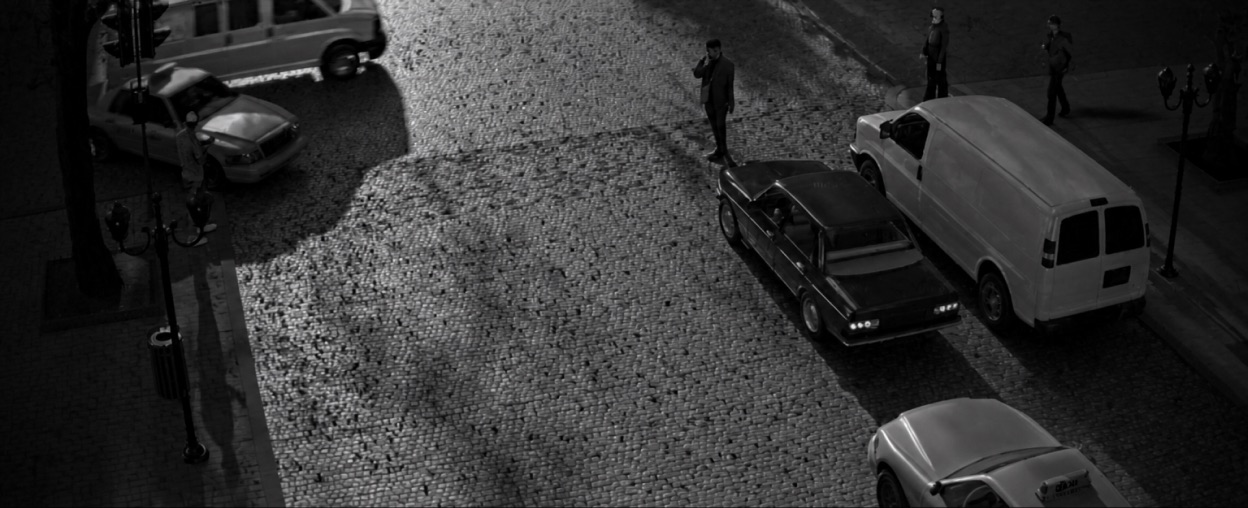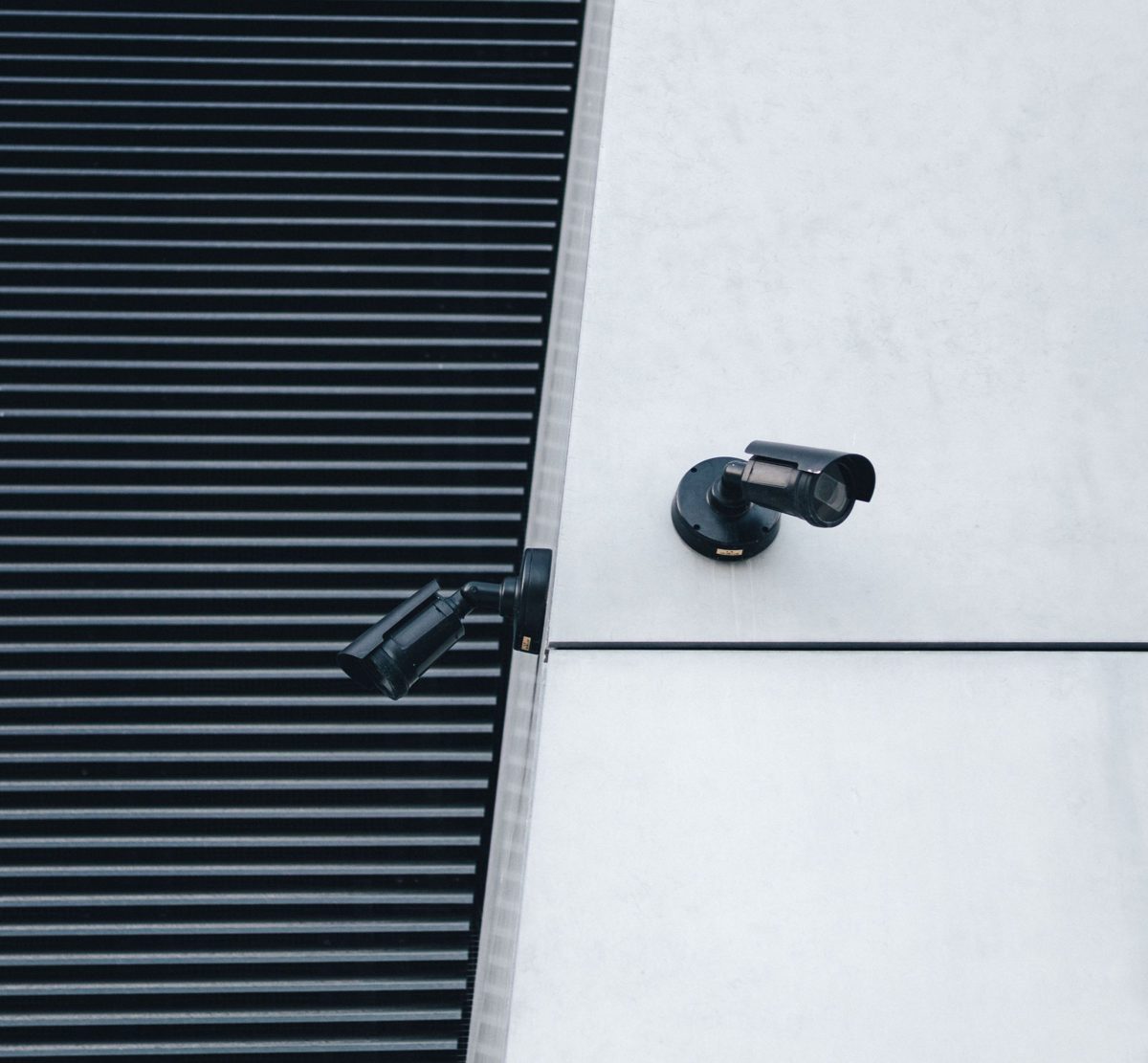
Watching a bank of monitors looks like security. For the first few minutes it is. After that, attention drifts, and the screen that mattered is the one nobody was looking at.
This is not a training problem or a discipline problem. Sustained visual attention is a task people are measurably bad at, and no amount of professionalism changes the underlying limit.
What the research actually says
Studies of people asked to watch for rare events on screens find that detection falls off sharply within the first half hour, and keeps falling. The rarer the event, the worse it gets, because nothing on the screen rewards the watching.
A guard watching sixteen quiet feeds is in exactly this position. The incident they are there for might come once a month. Everything before it teaches them, correctly, that nothing is happening.
Why more screens make it worse
The instinct when coverage matters is to add cameras. But a person cannot watch thirty feeds any better than sixteen; they watch them worse, because each one gets a smaller share of a fixed amount of attention.
Coverage on paper and coverage in practice are different things. A wall of feeds is coverage on paper.
What machines are good at, and what they are not
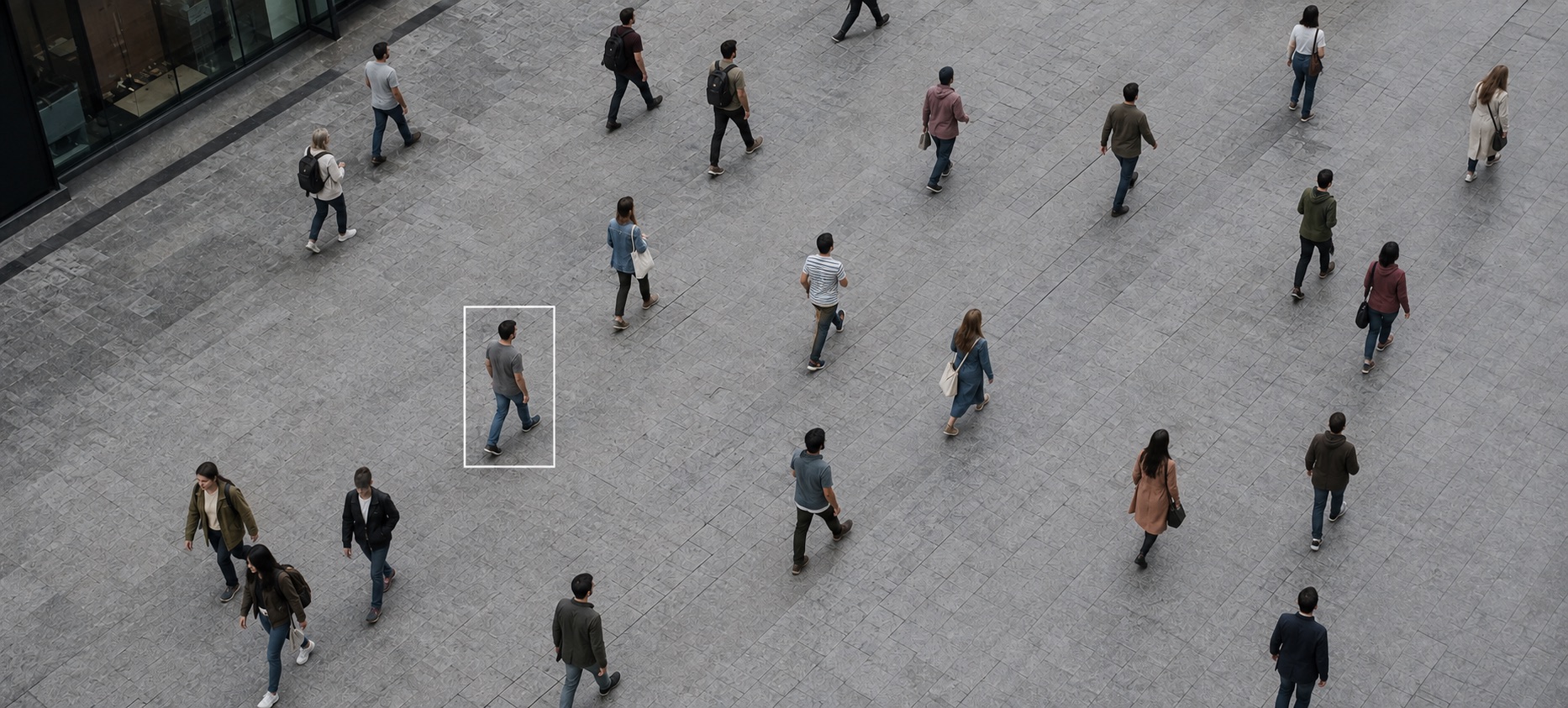
Software does not get bored. It looks at every frame of every feed with the same attention at hour eight as at minute one, and it is genuinely good at saying this frame is not ordinary.
What it is not good at is deciding whether the unusual thing matters. That judgement is where a person belongs.
The division that works
Ocular puts the machine where attention fails and the person where judgement is needed. Detection watches continuously and surfaces the handful of moments worth a look; a trained operator decides what each one is and acts.
Nobody is asked to stare at a quiet feed for hours. The twenty-minute limit stops being the weak point in the plan.